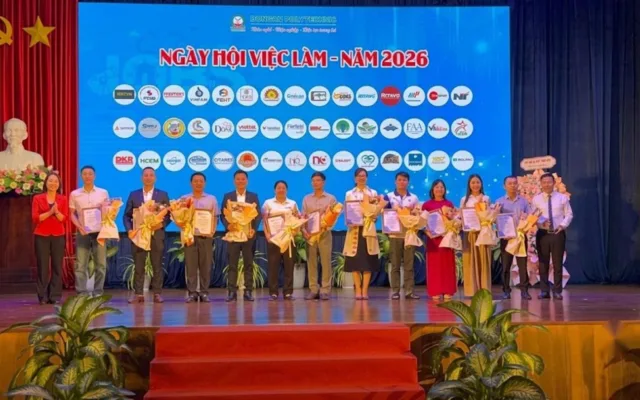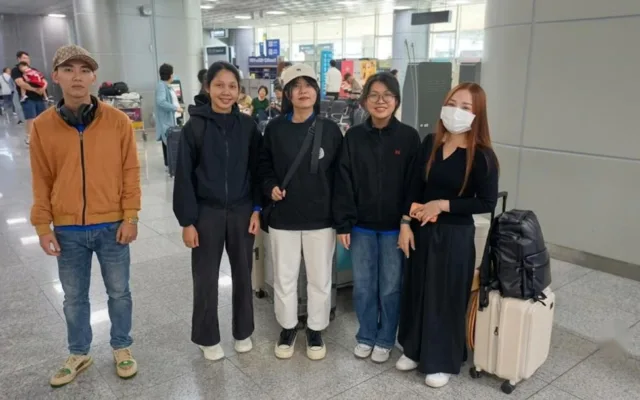
Class on 30/11
Basic Chinese conversation
Basic Chinese conversation: pronunciation, foundation Chinese characters, vocabulary and common sentence patterns.
Communication, specialised Chinese and HSK/HSKK preparation (Chinese proficiency certificates) – combining practical communication with foundations in Chinese characters, pronunciation and vocabulary. Pathways are linked to study, trade and work goals.
Each stage has clear outcomes; regular tests let us adjust your pathway when needed.
Entry level test – the teacher places you at the right stage, so you don’t repeat what you already know.
Basic Chinese conversation: pronunciation, foundation Chinese characters, vocabulary and common sentence patterns.
Language is the first step – KPV then connects you with study and employment programmes that suit your circumstances.
Teacher information (qualifications, certificates, experience) is published by KPV with the teacher’s consent.
| Courses | Duration | Format | Tuition fee |
|---|---|---|---|
| Basic Chinese conversation | Being updated | In person | Contact |
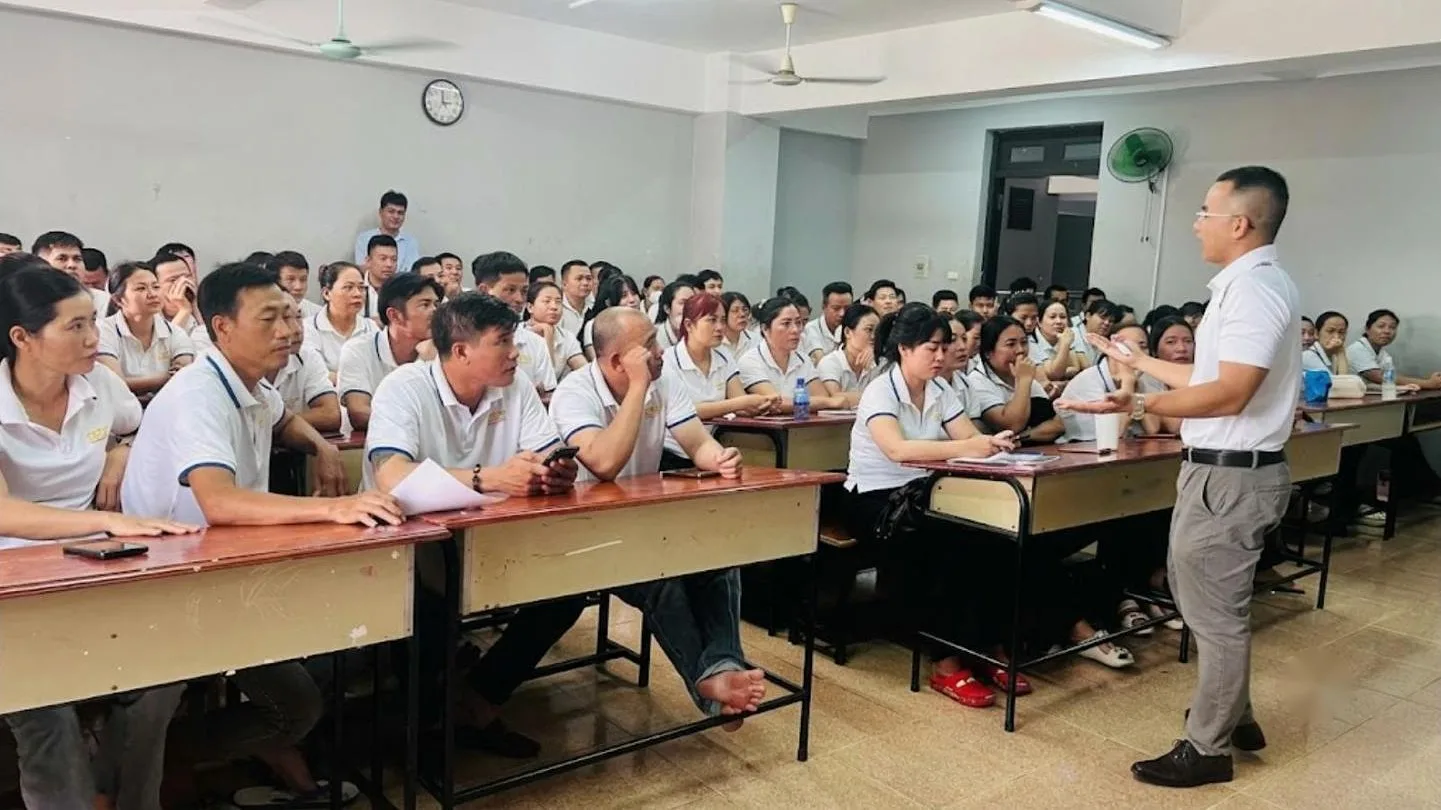
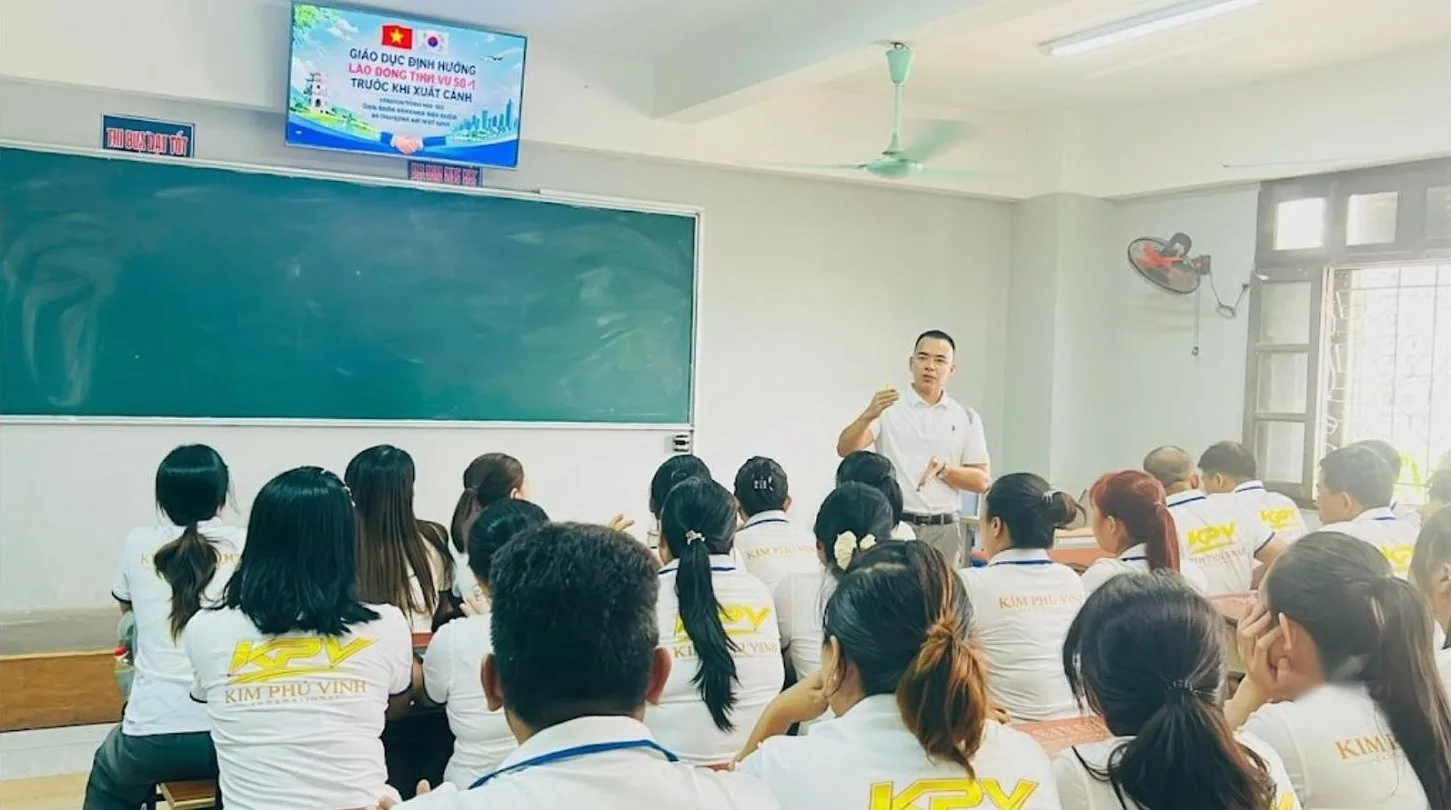
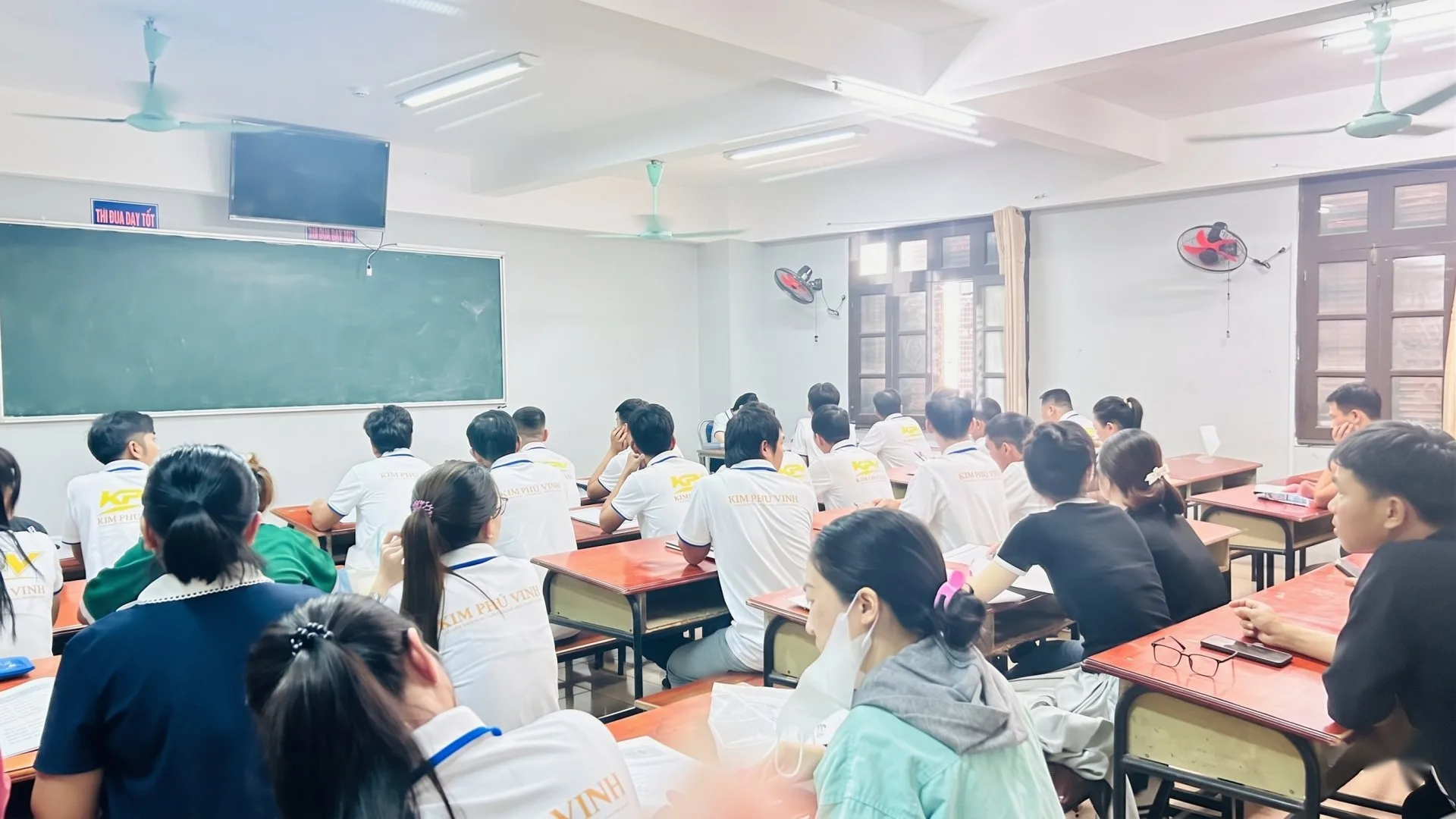
There are three common routes: full-time undergraduate or postgraduate study (many programmes are taught in English), Mandarin Chinese study at university language centres, and training programmes linked with internships at companies. Each route has different entry requirements, study durations and residence regulations.
It depends on the programme. Programmes taught in Chinese usually require a TOCFL certificate (typically Level 3 or above) for admission or before graduation; programmes taught in English consider IELTS or TOEFL. Mandarin language programmes can be started from a basic level.
Yes. In addition to each university’s own scholarships, international students can apply for Taiwanese government scholarships such as the Taiwan Scholarship (undergraduate and postgraduate) and the Huayu Enrichment Scholarship (Mandarin study). Scholarships are awarded on the basis of academic results, language proficiency and study plan; application deadlines are usually early in the year.
Yes, once a work permit for international students has been granted. Under current regulations, part-time work is limited to a maximum of 20 hours per week during term time; there is no limit on hours during the winter and summer holidays. Working in breach of the regulations may result in fines and affect your residence status.
Workers go to Taiwan to work under an employment contract with an employer, through an enterprise licensed to send workers overseas or through the Centre of Overseas Labour; the main purpose is employment. Studying abroad means studying at a school, with part-time work allowed only within permitted limits. KPV advises you so that you can choose the route that suits your goals and circumstances.
Chinese classes open according to the course schedule – reserve a seat or get pathway advice.
We respect your privacy
KPV uses cookies to measure website traffic and advertising effectiveness; you can change your choice at any time via "Cookie settings" at the bottom of the page. Cookie policy