Class on 17/11
German A1
Foundation German at A1 level according to the Common European Framework of Reference, preparing you for a study or career pathway.
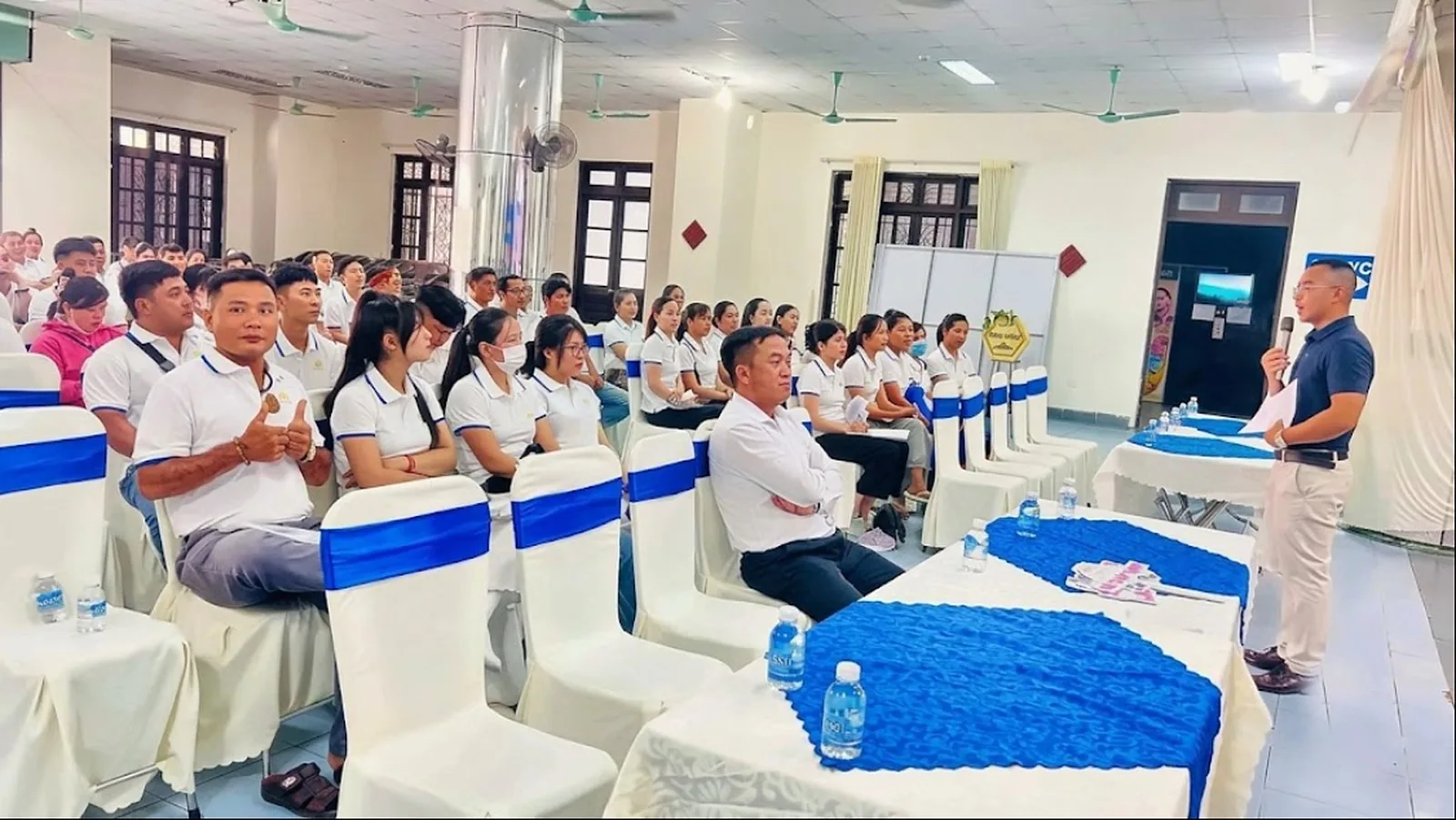
German A1–B2 courses to prepare for vocational training abroad (Ausbildung) in Germany – occupations and German language requirements vary by programme.
German is valuable for learners who plan to study, undertake vocational training or work in a German-speaking environment. The programme is built around the levels of the Common European Framework of Reference and the practical requirements of each pathway.
Certificate and application document requirements may change depending on the programme, the receiving institution and the regulations in force at the time; KPV confirms the specific details during consultation.
Foundation German at A1 level according to the Common European Framework of Reference, preparing you for a study or career pathway.
Ausbildung is a dual vocational training programme lasting around 2–3.5 years: theory at a vocational school and practical training at a company, with a training contract and a monthly training allowance paid by the company. It suits people who have at least completed upper secondary school, are in good health and are ready to study German seriously. Commonly recruited fields include nursing, restaurant and hotel work, mechanical engineering and electrical work.
Most Ausbildung programmes require at least B1 on the Common European Framework of Reference; some fields such as nursing, or some companies, require B2. Commonly accepted certificates are Goethe, telc or ÖSD. Complete beginners usually need around 8–12 months of intensive study to reach B1, depending on ability and study time.
Costs usually include: German language tuition and certificate exam fees, translation and notarisation of documents, assessment and visa fees, air tickets, insurance and initial living expenses. KPV publishes a specific cost table for each programme, with a contract and clear payment receipts.
Yes. Ausbildung trainees receive a monthly training allowance under their contract with the company; the amount varies by occupation, federal state and year of training. Trainees may also take on part-time work within the limits permitted by German law. The specific amount is stated in the training contract.
After completing an Ausbildung, graduates may apply to switch to a residence permit for employment if they have a job that matches their field of training, in accordance with Germany’s skilled immigration regulations. The outcome depends on the application and the decision of the competent authority; KPV makes no commitment regarding visas, employment or income.
Check the programme against the list of open programmes on kpvgroup.vn, call the hotline on 0866 214 579 or 0867 325 631, or visit the office at 30 Nguyễn Du, P. Trấn Biên, TP. Đồng Nai to see the programme documents and cost table. Do not transfer any money before a contract has been signed and a valid payment receipt issued.
 Germany pathway
Leave your details and a KPV adviser will call you back and suggest a Germany pathway that suits your circumstances.
We respect your privacy
KPV uses cookies to measure website traffic and advertising effectiveness; you can change your choice at any time via "Cookie settings" at the bottom of the page. Cookie policy